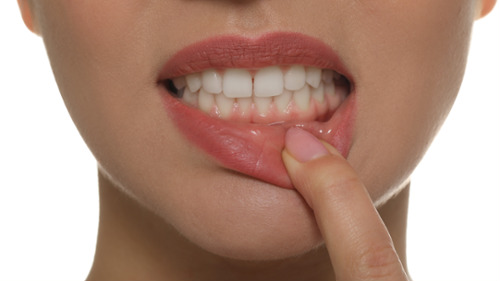
Gums that bleed when you brush are often an early sign of gum disease, usually caused by plaque building up along the gum line. The early stage, called gingivitis, can usually be reversed with good home care and a professional clean, so it's worth having your gums checked sooner rather than later.
At Ava Dental in Narre Warren South, we often hear from patients who have noticed bleeding gums for a while before mentioning it. If that sounds like you, there's no judgement here. Let's look at what bleeding gums can mean, how gum disease is treated and how you can look after your gums between visits.
Is It Normal for Gums to Bleed When You Brush?
Healthy gums don't usually bleed during everyday brushing and flossing. According to healthdirect, bleeding after brushing can be a sign of gum disease, which happens when plaque builds up on the teeth and gums.
Bleeding can have other causes too, such as brushing too hard, a recent dental procedure or an injury to the mouth. That's why it helps to have your gums checked, so you know what's behind it.
Other Signs to Watch For
Along with bleeding, you might notice:
- Red, swollen or tender gums
- Bad breath or a bad taste in your mouth
- Gums that look like they're pulling away from your teeth
- Teeth that feel sensitive or loose
Gum disease doesn't always cause pain, especially in the early stages. You may not feel anything is wrong, which is one reason regular check-ups and cleans are an important part of general dentistry.
What Causes Bleeding Gums?
The most common cause of bleeding gums is gum disease. It develops when bacteria in plaque irritate the gums. If plaque isn't removed, it can harden into tartar (also called calculus), which can't be removed with a toothbrush and needs to be removed by a dental professional.
Can Gingivitis Be Reversed?
Gingivitis is the early stage of gum disease, and it's common. Healthdirect notes that about 1 in 5 Australians has gingivitis.
The good news is that gingivitis can usually be reversed with good home care and professional cleaning. Catching it early is the best way to stop it from progressing.
What Happens If Gum Disease Progresses?
If gingivitis isn't treated, it can progress to periodontitis. This affects the deeper tissues and bone that hold your teeth in place. Over time, periodontitis can lead to receding gums, loose teeth and tooth loss, and the damage can be irreversible.
It's more common than many people realise. According to healthdirect, around 3 in every 10 Australian adults have moderate to severe gum disease. There is also growing evidence linking poor oral health with other health conditions, including heart disease and diabetes.
Common Risk Factors
Anyone can develop gum disease, but some things can increase your risk, including:
- Smoking
- Stress
- Diabetes
- Pregnancy and hormonal changes
- Medicines that cause a dry mouth
- Going a long time between dental check-ups and cleans
If any of these apply to you, let us know at your next visit. It helps us tailor your care to your needs.
Gum Disease Treatment at Ava Dental in Narre Warren South
Professional Cleaning and Tartar Removal
Gum disease treatment starts with a thorough examination of your teeth and gums. If we find signs of gum disease, we'll explain what we've found and talk you through your options before any treatment begins.
For many patients, a professional clean to remove plaque and tartar is an important first step. You can read more about what happens during a clean in our blog on why regular dental cleanings are important.
Ongoing Care and Maintenance Visits
Gum health isn't a one-off fix. Depending on your needs, we may recommend more regular visits to keep your gums on track. In some cases, we may refer you to a periodontist (a specialist in gum health) for further care.
If gum disease has already led to tooth loss, our dental implant and All-on-X options may be worth discussing with our team.
How to Protect Your Gums at Home
What you do between appointments makes a big difference. Dental Health Services Victoria notes that early treatment can help save teeth at risk, and good daily habits help reduce plaque build-up in the first place.
A few simple habits can help:
- Brush gently twice a day with a soft toothbrush and fluoride toothpaste
- Keep brushing even if your gums bleed, but be gentle
- Floss or use interdental brushes once a day
- Limit sugary foods and drinks
- If you smoke, consider speaking with your doctor about support to quit
Frequently Asked Questions About Bleeding Gums
Should I stop brushing if my gums bleed?
No. Keep brushing gently twice a day with a soft toothbrush. Stopping can allow more plaque to build up, which may make your gums worse.
Can bleeding gums cause bad breath?
They can be linked. Bad breath or a bad taste in your mouth can be another sign of gum disease, so it's worth mentioning at your check-up.
Can children get gum disease?
Yes. Gingivitis can affect children and teenagers too, often when brushing is missed or rushed. Regular check-ups help catch it early, and eligible children may receive dental care through the Child Dental Benefits Schedule (CDBS).
When should I see a dentist about bleeding gums?
If your gums still bleed after a week or two of gentle brushing and daily flossing, or if you notice swelling, pain or loose teeth, book a check-up. If you have significant swelling or pain, visit our emergency dentist page.
Book a Check-Up for Bleeding Gums in Narre Warren South
If your gums bleed when you brush, we're here to help you find out why. Our team at Ava Dental will take the time to listen, explain what we find and help you understand your options.
We offer Saturday morning appointments and accept private health funds with HICAPS claims on the spot. Our team speaks English, Farsi, Arabic and Korean, so please let us know if you'd prefer to talk about your care in another language.
Contact us or book online to arrange your visit.
Disclaimer: This information is general in nature and is not intended as medical or dental advice. Please see a registered dental practitioner for advice specific to your situation.